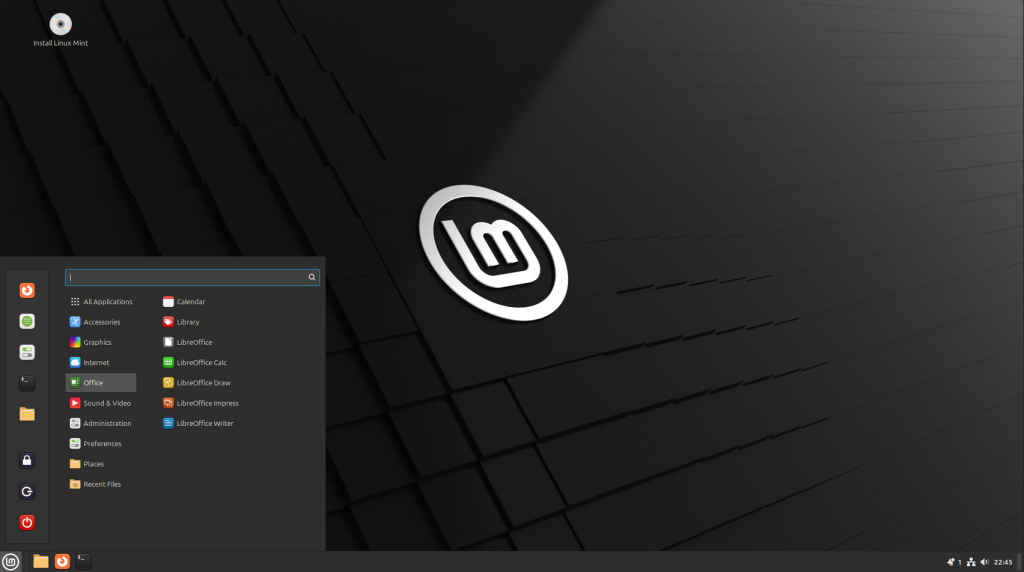
If you’ve ever wanted to switch to Linux but were afraid that doing so would require you to learn a new language or start wearing a fedora, Linux Mint is your safety blanket. It is the “it just works” champion of the Linux world, designed for people who want a modern, elegant operating system that doesn’t try to reinvent the wheel—or the Start menu. It’s the cozy living room of distributions: familiar, reliable, and intentionally devoid of the “experimental” drama found in its cousins.
Linux Mint was born in 2006, the brainchild of Clement Lefebvre (known as “Clem”). Originally based on Kubuntu, it quickly pivoted to an Ubuntu base to better pursue its mission of making the desktop more usable for the average human. When the rest of the world went crazy for tablet-style interfaces in 2011, the Mint team doubled down on tradition, creating the Cinnamon desktop environment to keep the classic desktop experience alive and well.
In the Linux ecosystem, Mint is the distro that refuses to compromise on user comfort. While other projects are busy removing features to look “minimalist,” Mint is busy adding “Mint-y” tools—like a dedicated Update Manager that won’t break your system and a Software Manager that doesn’t feel like a puzzle. It’s based on Ubuntu LTS, but it feels like Ubuntu’s more polished, sensible sibling who actually listens to what the community wants.
The Good Stuff
Cinnamon Desktop: A masterclass in “traditional” UI that is snappy, gorgeous, and intuitive.
Proprietary Codecs: It’s one of the few distros that offers to install your media drivers and Wi-Fi blobs right out of the box.
Stability: Based on Ubuntu LTS (Long Term Support), meaning you can go years without a “reinstall” headache.
The Reality Check
Conservative Pace: If you want the absolute latest kernel features, you’ll be waiting a while.
No Snaps: The team has a famous feud with Ubuntu’s Snap packages; great for some, a minor hurdle for others.
Point Release Only: Unlike Arch, you have to perform a major upgrade every couple of years.